EPISODE 5: TRANSFORMATION — A Path Anyone Can Walk After a Traumatic Event

EPISODE 5: TRANSFORMATION — A Path Anyone Can Walk After a Traumatic Event

Neither Mac, Wade, nor Tim was familiar with the ideas involved in transforming your life after a traumatic event. Each of them experienced it firsthand, and that experience did not come from a book, a video, or a class; each was guided down this path by another human being. Based on personal experience, each believes that anyone can do what they’ve done.

Episode 5 walks you through the steps it takes to transform your life. Here are the topics discussed.

  • EXECUTIVE SUMMARY: The Idea of Transformation
  • A Practical Path that Leads to Wisdom and Transformation
  • Personal Stories of Transformation
  • Writings about “Suffering” in History; in the Bible and in Philosophy
  • Philosophical Perspectives on Life’s Struggle
  • Victor Frankl’s Impact on Giving Meaning to our Suffering
  • Building a Foundation for Change
  • The Joy of Helping Others
  • The Path of Responsibility and Transformation

CLICK ON THE IMAGE TO WATCH THE YOUTUBE VIDEO

EPISODE 4: After a Traumatic Event, Isolating Oneself is Overwhelmingly Common — Isolation Can Kill You

EPISODE 4: After a Traumatic Event, Isolating Oneself is Overwhelmingly Common — Isolation Can Kill You

“Nobody can understand what I’ve been through…” is a sentence often spoken by people who have gone through a traumatic event. Most seek help and find that help “…didn’t do much for me.” Their conclusion: “Nobody’s coming to my pity party, I need to suck it up, keep my feelings to myself, and live my life.”

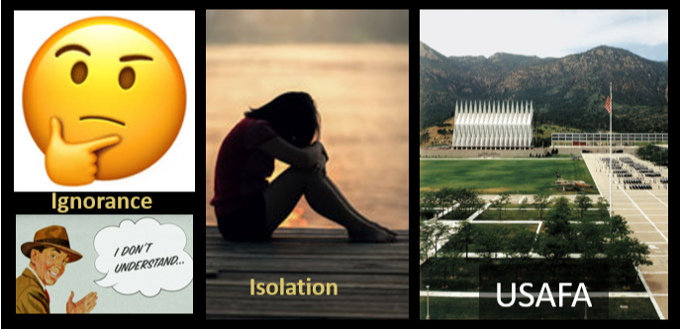
When you add to that experience the hurtful things well-intentioned people say (“Time heals all wounds,” etc), isolation becomes a safe place. The problem is, in our traumatic ignorance, we don’t understand that isolation opens a door that leads to terrible outcomes — ISOLATION CAN KILL YOU.

In this video, you will hear three very different people — Mac, Wade Cates, and Tim Lynch — describe how it made perfect sense to isolate themselves after traumatic events; that isolation was the path each of them followed intuitively, because “nobody was coming to my pity party.”

Each of these three people has transformed their lives; if they can do that, so can you.

KEY IDEAS

  • Isolation is what most people do in the aftermath of a traumatic event. They don’t go there intentionally; they go there out of ignorance (just don’t understand) and not wanting to let others know how deeply they are struggling… so they hide. It’s a very natural/intuitive response.
  • Feelings of guilt or failure often drive isolation.
  • Numbing with alcohol makes everything, including isolation, worse.
  • We don’t understand therapy and therapists, again, our ignorance. They are long-term project managers who struggle to help people seeking short-term or immediate assistance, so we often quit.
  • Transformation is counter-intuitive, but a completely learnable skill.
  • The transforming of a life begins with ending isolation.

CLICK ON IMAGE TO WATCH THE YOUTUBE VIDEO

TALKING POINT: Never has the Marine Corps needed its Company Grade SNCOs more than it needs them now

TALKING POINT: Never has the Marine Corps needed its Company Grade SNCOs more than it needs them now

NEVER in the history of the Marine Corps has it needed the leadership abilities of its Staff Non-Commissioned Officer corps more than it does today. In today’s “Talking Point,” Mac expands on the theme of “It’s not my job to parent and life coach young Marines” — something he hears wherever he goes to speak to Marines, Sailors, and leaders.

In today’s “Talking Point,” Mac discusses the Post-Traumatic Winning Leader Class he’s given for the past three years to officers and staff non-commissioned officers wherever he speaks. The class attempts to develop a “terrain model” for leaders… explaining to them the world they lead in. Here are the components of the PTW Terrain Model:

    • The prevalence of childhood trauma (adverse childhood experiences – ACEs) in the All-Volunteer Force in general and in the Marine Corps in particular.
    • How the environment young Americans grow up in today contributes to their greater fragility, and how digital technology promotes individual isolation.
    • How leaders are unsure where the leadership line ends and the mental health line begins, which begets the phrase “it’s not my job” when Marine Staff Non-Commissioned Officers speak to Mac.
    • Finally, Mac discusses how the most senior leader who is with junior Marines has grown in importance due to the greater fragility of young Americans.