by Michael F. McNamara | Jun 26, 2026 | A3, FT2J Podcast
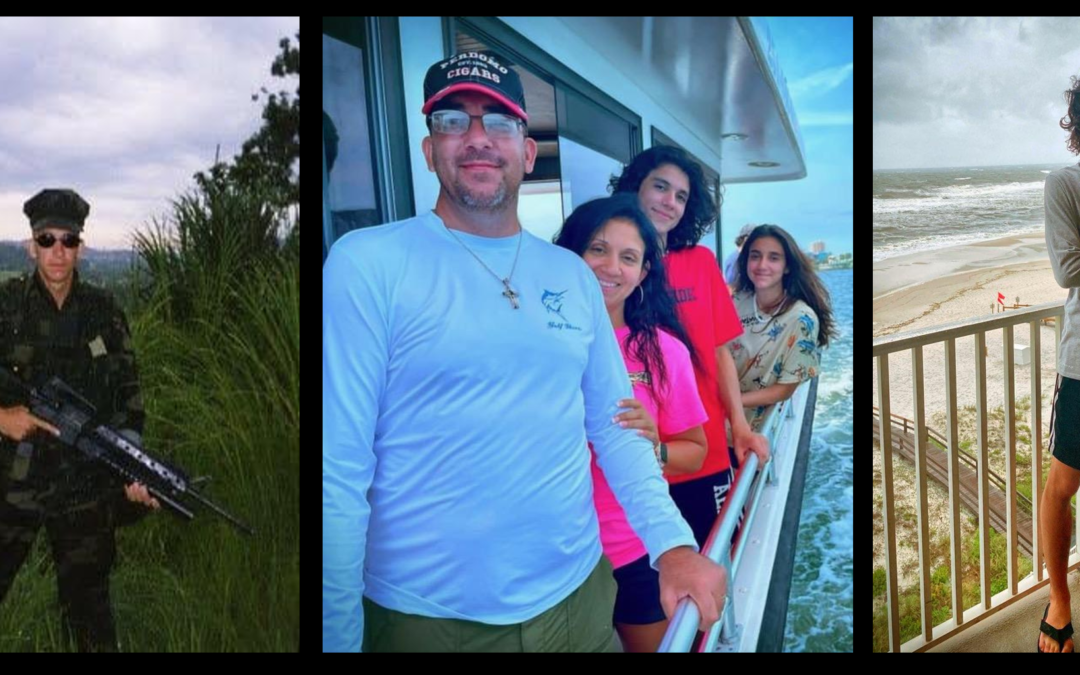
Neither Mac, Wade, nor Tim was familiar with the ideas involved in transforming your life after a traumatic event. Each of them experienced it firsthand, and that experience did not come from a book, a video, or a class; each was guided down this path by another human being. Based on personal experience, each believes that anyone can do what they’ve done.
Episode 5 walks you through the steps it takes to transform your life. Here are the topics discussed.
- EXECUTIVE SUMMARY: The Idea of Transformation
- A Practical Path that Leads to Wisdom and Transformation
- Personal Stories of Transformation
- Writings about “Suffering” in History; in the Bible and in Philosophy
- Philosophical Perspectives on Life’s Struggle
- Victor Frankl’s Impact on Giving Meaning to our Suffering
- Building a Foundation for Change
- The Joy of Helping Others
- The Path of Responsibility and Transformation
CLICK ON THE IMAGE TO WATCH THE YOUTUBE VIDEO
Podcast: Play in new window | Download

Subscribe: | More
by Michael F. McNamara | Jun 18, 2026 | A3, FT2J Podcast
Sound crazy? It’s not. Here is the concept: 1. Teach people the truth about trauma — you don’t get over it, you learn to coexist with it. 2. Teach them the daily life skills necessary to do life when it gets hard. 3. Teach them to become better versions of themselves… physically, emotionally, financially, and mentally. 4. Teach them that “self-discipline is self-love.” The more disciplined they are in the way they live their lives, the better their lives will be… across the board. 5. Show them how to use what they’ve learned to help others, which allows anyone who does this to find meaning in their suffering. These are the basic ideas at the center of how anyone can transform their life… and that process does not take years to comprehend, implement, or see results. If we can do it, so can you.
CLICK ON THE IMAGE TO WATCH THE YOUTUBE VIDEO
by Michael F. McNamara | Jun 16, 2026 | A3, FT2J Podcast
“Nobody can understand what I’ve been through…” is a sentence often spoken by people who have gone through a traumatic event. Most seek help and find that help “…didn’t do much for me.” Their conclusion: “Nobody’s coming to my pity party, I need to suck it up, keep my feelings to myself, and live my life.”
When you add to that experience the hurtful things well-intentioned people say (“Time heals all wounds,” etc), isolation becomes a safe place. The problem is, in our traumatic ignorance, we don’t understand that isolation opens a door that leads to terrible outcomes — ISOLATION CAN KILL YOU.
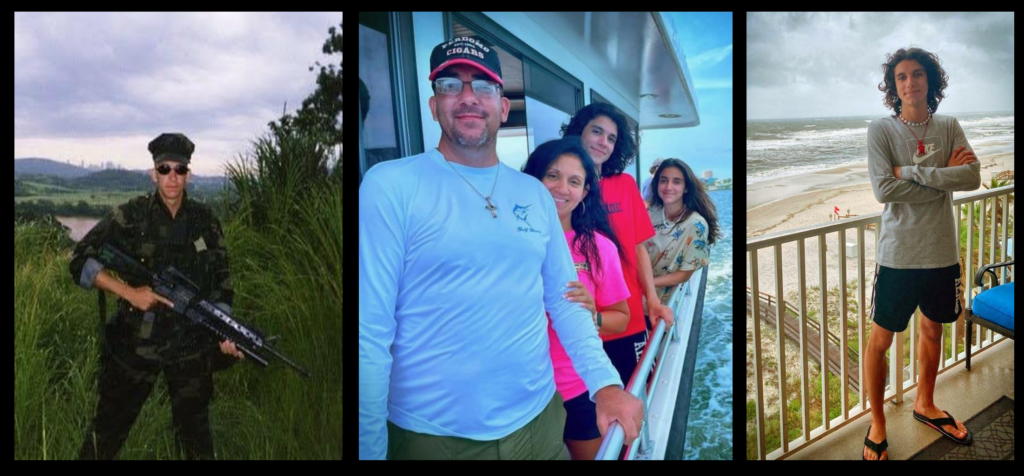
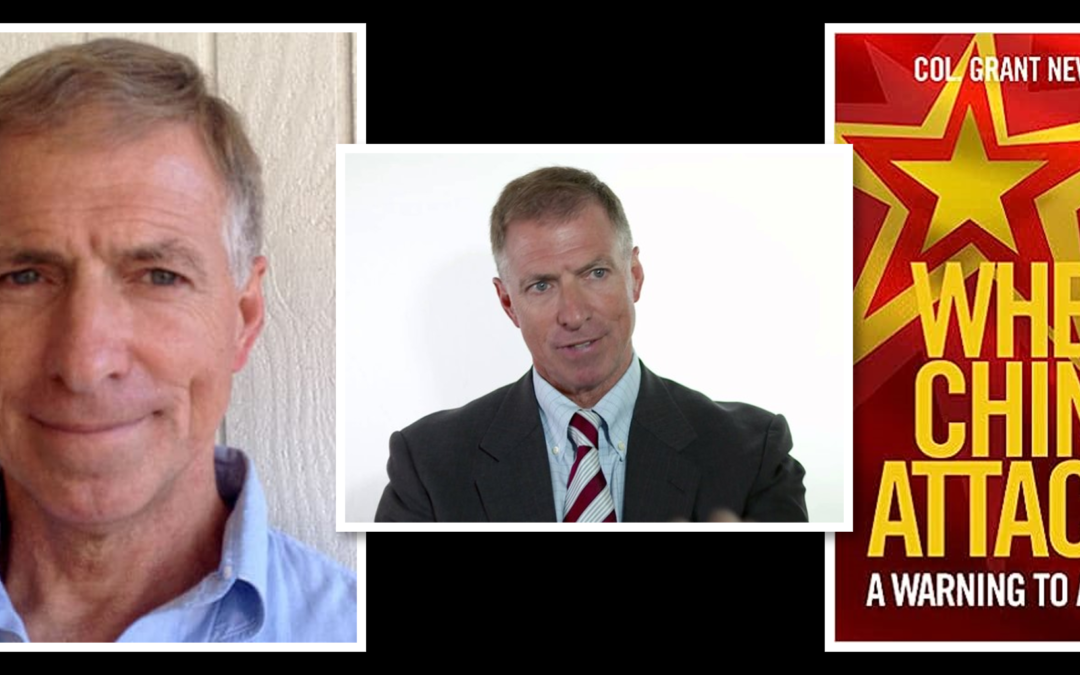
In this video, you will hear three very different people — Mac, Wade Cates, and Tim Lynch — describe how it made perfect sense to isolate themselves after traumatic events; that isolation was the path each of them followed intuitively, because “nobody was coming to my pity party.”
Each of these three people has transformed their lives; if they can do that, so can you.
KEY IDEAS
- Isolation is what most people do in the aftermath of a traumatic event. They don’t go there intentionally; they go there out of ignorance (just don’t understand) and not wanting to let others know how deeply they are struggling… so they hide. It’s a very natural/intuitive response.
- Feelings of guilt or failure often drive isolation.
- Numbing with alcohol makes everything, including isolation, worse.
- We don’t understand therapy and therapists, again, our ignorance. They are long-term project managers who struggle to help people seeking short-term or immediate assistance, so we often quit.
- Transformation is counter-intuitive, but a completely learnable skill.
- The transforming of a life begins with ending isolation.
CLICK ON IMAGE TO WATCH THE YOUTUBE VIDEO
Podcast: Play in new window | Download
Subscribe: | More
by Michael F. McNamara | Jun 11, 2026 | A3, FT2J Podcast
Memorial Day made me think of how, over the years, I have gotten better at “Doing Death.” That skill is not one I am proud of or enjoy discussing, but that discussion is an important one. Like dealing with trauma, dealing with death is a skill you can learn… and in Episode 3, Wade, Tim and I discuss three general topics: (1) General Thoughts on Doing Death; (2) Wade’s Commemorative Event for Juan, One Year after his suicide; and (3) What Do You Say When You Get to the Front of the Line at a Funeral?
Here is a more specific list of what we cover in Episode 3:
- Introduction
- The Fear of Never Living
- The Circle of Life
- Death and “The Serenity Prayer”
- Teaching Young People How to Do Death
- Not the Circle of Life
- Life’s Not Fair
- The Only Thing You Actually Control in Life is Your Reaction to Events
- The Difficult Task of Accepting Life’s Randomness
- Life’s Difficult Moments are Teaching Opportunities
- Keeping People Alive in Your Life
- Learning to Celebrate Someone’s Life Is Not a Natural Thing
- Wade’s Idea to Gather His Family & Friends to Commemorate Juan’s Death
- Memorials in Your Home Bring Both Joy & Sadness
- Joy & Pain are Part of Every Memorial
- Sweet & Sour Chicken for the Rest of Your Life!
- “I Can’t Have Him Here”
- What Do You Say When You Get to the Front of the Line?
- Tim: “Mac’s Not a Hugging Person!”
- Somebody’s Gotta Teach You These Things
- Don’t Try to Explain Anything… Hug Them
CLICK ON THE IMAGE TO WATCH THE YOUTUBE VIDEO
Podcast: Play in new window | Download

Subscribe: | More
by Michael F. McNamara | Jun 11, 2026 | A3, FT2J Podcast
Suicide and sexual violence are almost always accompanied by feelings of shame and guilt. Because these feelings are so deeply personal, we lock them deep inside a place we rarely visit… a place others are never allowed to enter.
In that isolated space, we often convince ourselves that these events were our fault and that we could have prevented them, thereby increasing the terrible guilt and shame we live with.
Wade’s twenty-year-old son killed himself in his bedroom, in Wade’s home, with Wade’s shotgun. Wade understands that if he’s to live a great life, he has to talk about Juan’s suicide and all the feelings that go with it.
If you know someone who is struggling in isolation, send them the link to this short video and open a door to a conversation that could be life-changing.
CLICK ON THE IMAGE TO WATCH THE YOUTUBE VIDEO