EPISODE 5: TRANSFORMATION — A Path Anyone Can Walk After a Traumatic Event

EPISODE 5: TRANSFORMATION — A Path Anyone Can Walk After a Traumatic Event

Neither Mac, Wade, nor Tim was familiar with the ideas involved in transforming your life after a traumatic event. Each of them experienced it firsthand, and that experience did not come from a book, a video, or a class; each was guided down this path by another human being. Based on personal experience, each believes that anyone can do what they’ve done.

Episode 5 walks you through the steps it takes to transform your life. Here are the topics discussed.

  • EXECUTIVE SUMMARY: The Idea of Transformation
  • A Practical Path that Leads to Wisdom and Transformation
  • Personal Stories of Transformation
  • Writings about “Suffering” in History; in the Bible and in Philosophy
  • Philosophical Perspectives on Life’s Struggle
  • Victor Frankl’s Impact on Giving Meaning to our Suffering
  • Building a Foundation for Change
  • The Joy of Helping Others
  • The Path of Responsibility and Transformation

CLICK ON THE IMAGE TO WATCH THE YOUTUBE VIDEO

EPISODE 4: After a Traumatic Event, Isolating Oneself is Overwhelmingly Common — Isolation Can Kill You

EPISODE 4: After a Traumatic Event, Isolating Oneself is Overwhelmingly Common — Isolation Can Kill You

“Nobody can understand what I’ve been through…” is a sentence often spoken by people who have gone through a traumatic event. Most seek help and find that help “…didn’t do much for me.” Their conclusion: “Nobody’s coming to my pity party, I need to suck it up, keep my feelings to myself, and live my life.”

When you add to that experience the hurtful things well-intentioned people say (“Time heals all wounds,” etc), isolation becomes a safe place. The problem is, in our traumatic ignorance, we don’t understand that isolation opens a door that leads to terrible outcomes — ISOLATION CAN KILL YOU.

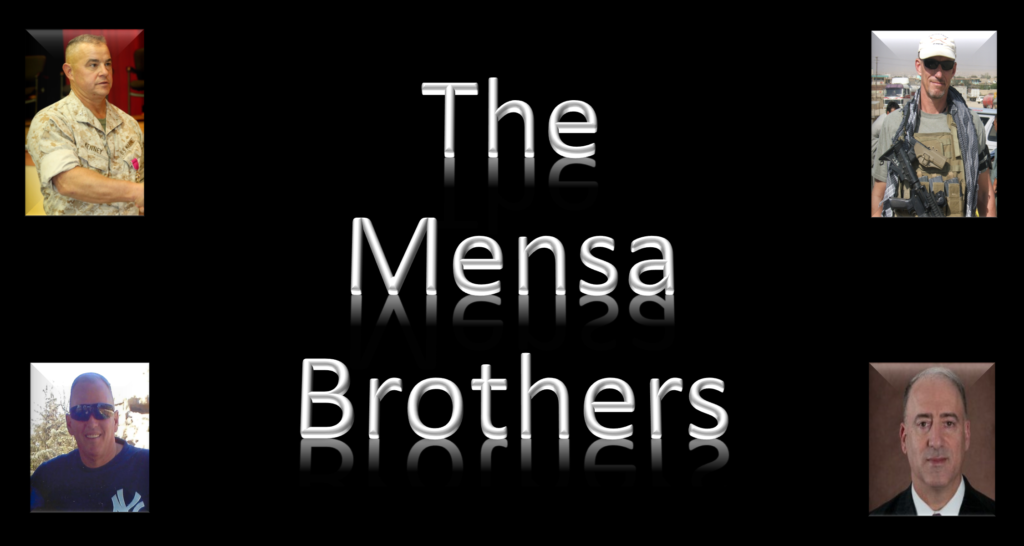
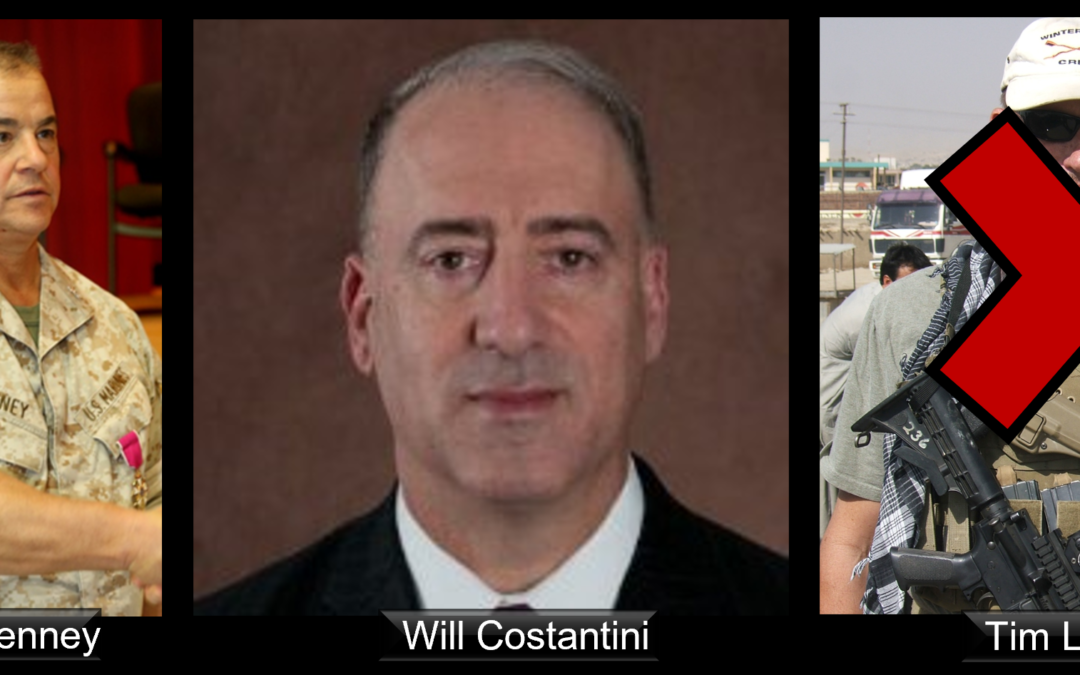
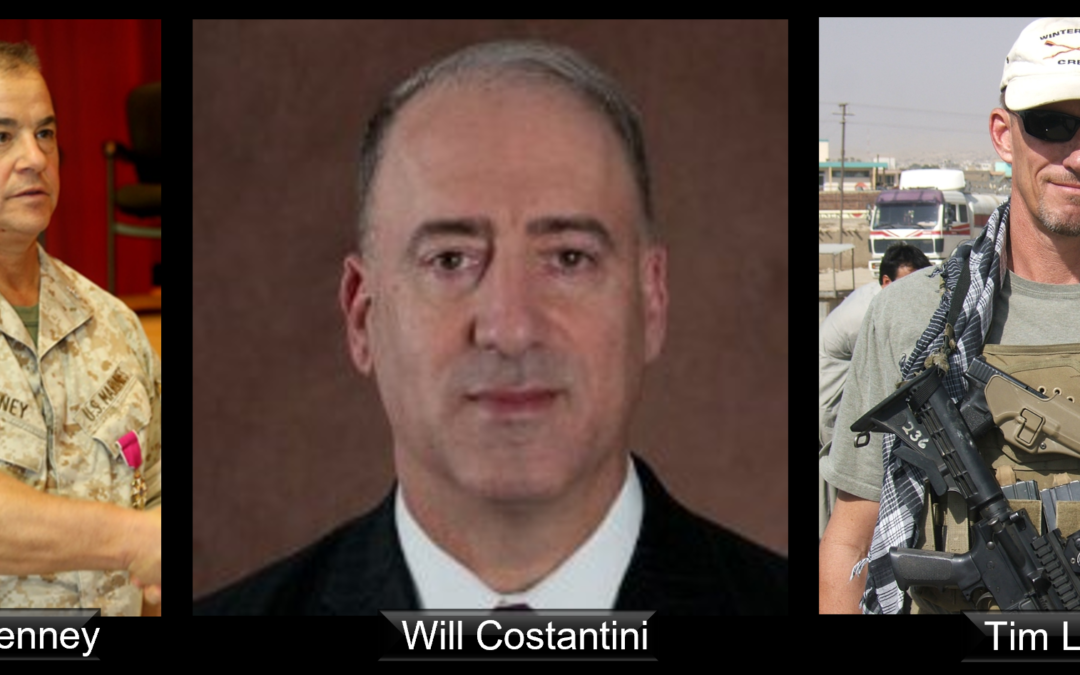
In this video, you will hear three very different people — Mac, Wade Cates, and Tim Lynch — describe how it made perfect sense to isolate themselves after traumatic events; that isolation was the path each of them followed intuitively, because “nobody was coming to my pity party.”

Each of these three people has transformed their lives; if they can do that, so can you.

KEY IDEAS

  • Isolation is what most people do in the aftermath of a traumatic event. They don’t go there intentionally; they go there out of ignorance (just don’t understand) and not wanting to let others know how deeply they are struggling… so they hide. It’s a very natural/intuitive response.
  • Feelings of guilt or failure often drive isolation.
  • Numbing with alcohol makes everything, including isolation, worse.
  • We don’t understand therapy and therapists, again, our ignorance. They are long-term project managers who struggle to help people seeking short-term or immediate assistance, so we often quit.
  • Transformation is counter-intuitive, but a completely learnable skill.
  • The transforming of a life begins with ending isolation.

CLICK ON IMAGE TO WATCH THE YOUTUBE VIDEO